Is Your Roof Ready for Winter? Ultimate Washington Roof Guide

Is Your Roof Ready for Another Washington Winter this year 2026?
If you own a home in Seattle, Bothell, Woodinville, Lynnwood, Edmonds, Mill Creek, or elsewhere across North King County and South Snohomish County, late summer is a good time to look up. At your roof.
Washington's long wet season has a way of exposing problems homeowners barely notice during summer.
A loose shingle becomes a leak. A clogged gutter starts overflowing. A small flashing problem becomes water staining. And if you're thinking about selling your home this fall, winter, or next spring, those small issues can eventually become inspection issues.
After more than 15 years working on homes in Washington, I've learned something simple:
It is usually easier to deal with a roof problem before the rain finds it for you.
You may not need a new roof. In fact, many homeowners don't.
But knowing what to check before fall can help protect your home, avoid unnecessary repairs, and put you in a stronger position when it's time to sell.
Quick Answer: What Should Sellers Check on Their Roof Before Fall?
Before Washington's wetter weather returns, sellers should pay attention to:
- Missing, cracked, or damaged roofing
- Moss and accumulated debris
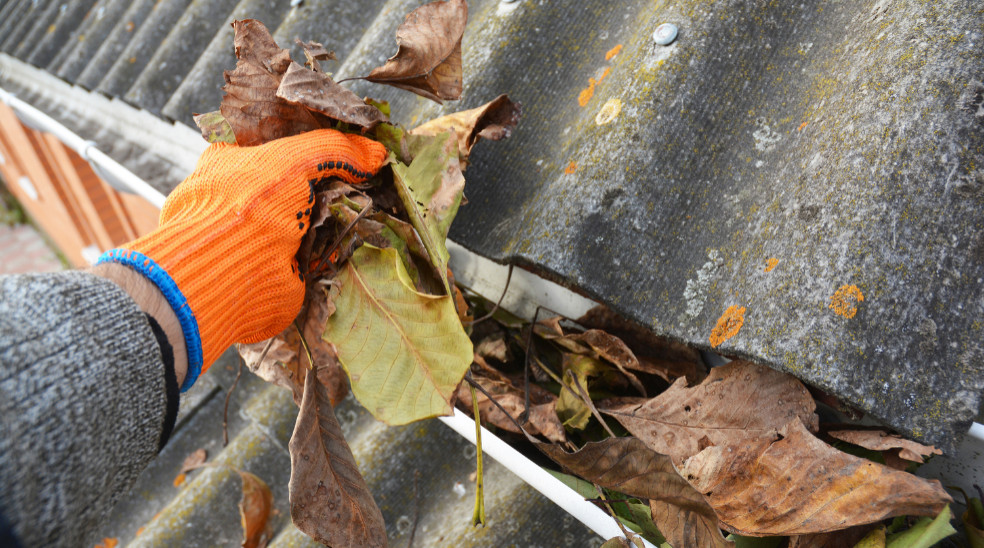
- Clogged or damaged gutters
- Flashing around chimneys and roof penetrations
- Signs of moisture inside the attic
- Damaged fascia or soffits
- The roof's overall age and condition
The goal isn't to replace everything. It's to find the problems buyers or inspectors may discover later and decide which ones actually need attention.
1. Missing or Damaged Roofing
You don't need to climb onto the roof to spot some warning signs.
From the ground, look for shingles that appear:
- Missing
- Lifted
- Cracked
- Curled
- Uneven
- Visibly damaged
Also watch for roofing material or granules accumulating near downspouts. One damaged area doesn't automatically mean you need an entirely new roof. A qualified roofing professional may determine that a targeted repair is enough.
Why sellers should care
A roof problem can feel much bigger to a buyer than it actually is.
If buyers see visible damage, they may start thinking:
"Are we going to need a $20,000 roof after we move in?"
Even when the actual repair is much smaller.
Resolving obvious problems before listing can remove that uncertainty.
2. Moss and Roof Debris
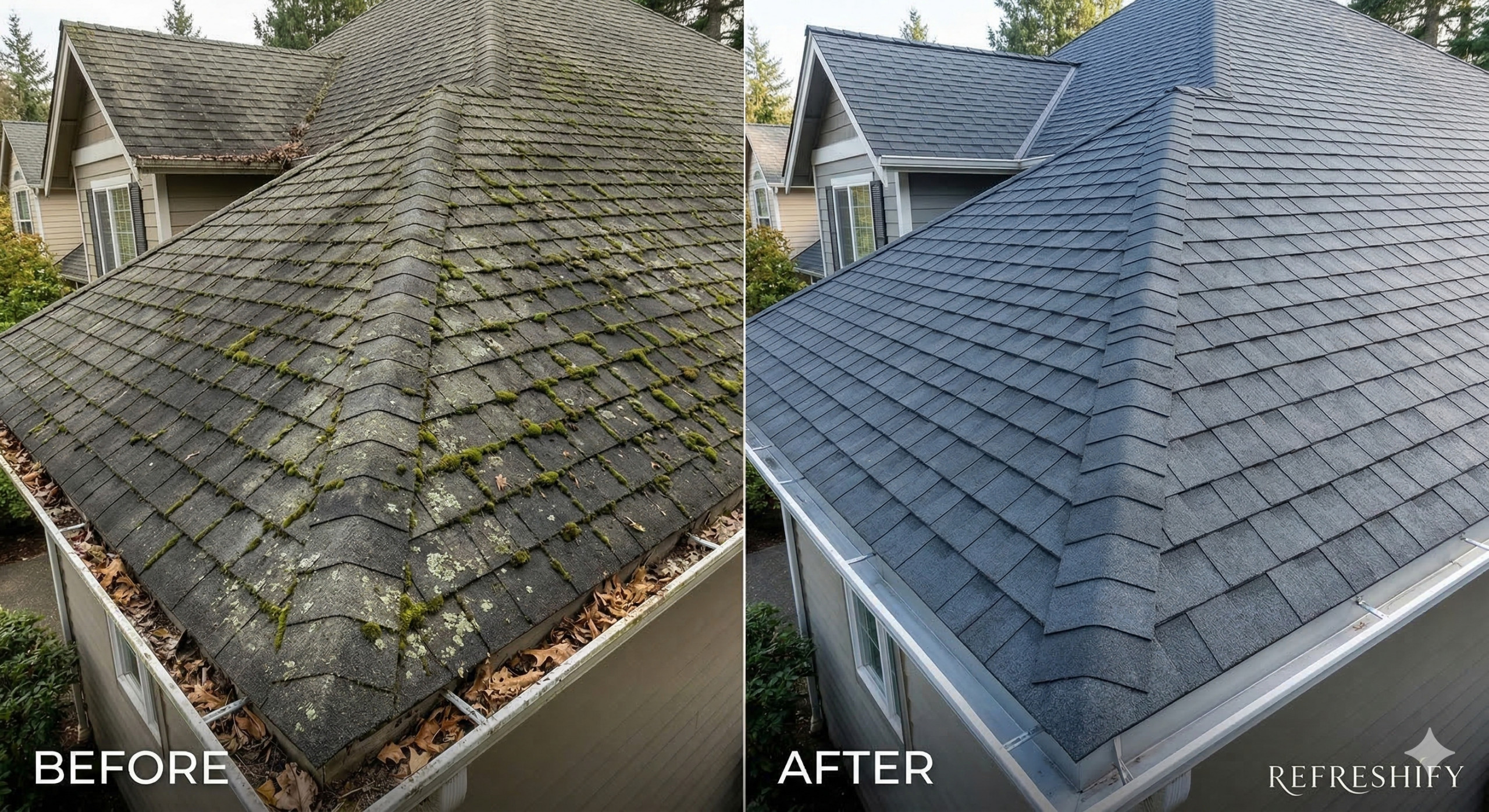
Moss is hardly unusual in Western Washington. But heavy moss growth can make an otherwise solid roof look neglected. Leaves, needles, branches, and other debris can also collect in roof valleys and around gutters, where they may interfere with drainage. If your roof has significant moss or debris, have it evaluated and cleaned using methods appropriate for the roofing material.
Avoid aggressive DIY pressure washing unless the roof manufacturer and a qualified professional specifically recommend it. Damaging roofing material while trying to make it look cleaner defeats the purpose.
Seller value: High for presentation
A clean roof photographs better and makes the exterior feel better maintained.
You aren't trying to make an older roof look brand new.
You're showing buyers that it has been cared for.
3. Gutters and Downspouts
Your gutters are part of your home's water-management system.
When they become clogged or damaged, water can overflow near:
- Fascia
- Siding
- Windows
- Walkways
- Foundations
- Landscaping
Washington L&I specifically warns that poorly handled gutter and drainage problems can contribute to water reaching foundations, yards, and walls.
Before fall, check for:
- Leaves and debris
- Sagging gutters
- Loose connections
- Leaks
- Damaged downspouts
- Water discharging too close to the foundation
This is one of those relatively straightforward maintenance items that can prevent much more expensive problems.
4. Flashing Around Chimneys, Skylights, and Vents
Some roof leaks don't come from the main roofing material. They come from transitions.
Flashing helps direct water away from vulnerable areas around:
- Chimneys
- Skylights
- Plumbing vents
- Roof valleys
- Wall-to-roof connections
Damaged, loose, or improperly installed flashing can allow water into areas homeowners may not notice immediately. If you've seen staining near a chimney, skylight, or upper-floor ceiling, don't simply paint over it before selling. Find out where the moisture came from first.
5. Check the Attic Before Buyers Do
Sometimes the first sign of a roof problem is actually inside the house. If your attic is safely accessible, look for signs such as:
- Water staining
- Damp insulation
- Musty odors
- Visible moisture
- Discoloration on roof sheathing
- Daylight coming through unexpected gaps
Moisture does not automatically mean the roof needs replacement. Condensation and ventilation problems can sometimes produce similar symptoms. That's why diagnosis matters.
Fix the source, not just the stain.
6. Inspect Fascia and Soffits
Fascia and soffits don't always get much attention during a home renovation. Buyers and inspectors may notice them when they're deteriorating.
Look for:
- Peeling paint
- Soft wood
- Rot
- Gaps
- Staining
- Pest damage
Damage in these areas can sometimes indicate that water has not been draining properly. Repairing a small damaged section now may be far easier than waiting through another wet season.
7. Know the Age of Your Roof
One of the first questions sellers often hear is: "How old is the roof?" If you don't know, now is the time to find out.
Look for:
- Installation records
- Previous inspection reports
- Contractor invoices
- Warranty documents
- Permit records, when applicable
Roof age alone doesn't determine condition.
An older roof that has been maintained well may perform differently from a newer roof with installation or maintenance problems. Having documentation gives you and your real estate professional better information when discussing the property with buyers.
Do You Need to Replace Your Roof Before Selling?
This is where sellers can make an expensive mistake. They see moss, a leak, or an older roof and immediately assume:
"We need to replace the whole thing before we list."
Maybe. But maybe not.
Depending on the roof's condition, the smarter solution could be:
- Cleaning
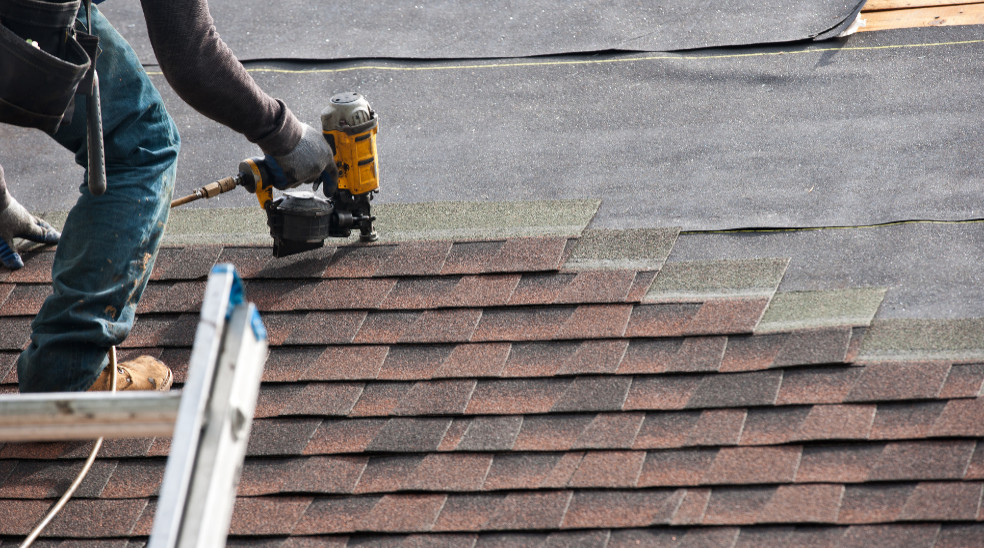
- Targeted shingle repair
- Flashing repair
- Gutter work
- Fascia repair
- Correcting a ventilation problem
- Replacing only damaged components
A complete roof replacement makes more sense when the existing roof is genuinely at the end of its useful service life, has widespread damage, or presents issues that cannot reasonably be repaired.
The key is getting the condition assessed before spending the money.
What Sellers Should Avoid
Before fall arrives, avoid making rushed decisions simply because you're worried about the roof.
Don't:
- Paint over interior water stains without finding the source
- Ignore damaged flashing
- Leave gutters clogged through the wet season
- Assume moss automatically means the roof needs replacement
- Automatically replace the entire roof when a repair may be sufficient
- Hire someone simply because they offer the cheapest bid
- Pay a contractor in full before the work is completed
Washington's Department of Labor & Industries recommends verifying that contractors are properly registered and checking their bond, insurance, safety history, and other available information before hiring them. L&I also recommends comparing written bids rather than choosing solely on price.
Why Your Roof Matters When Selling
Buyers don't expect every home to have a brand-new roof. What they want is clarity. They want to understand what they're buying and whether a major expense is waiting for them immediately after closing. A roof that appears neglected can create uncertainty.
A roof that has been inspected, maintained, and properly repaired tells a different story.
It says:
This home has been cared for.
And that confidence can matter when buyers are deciding whether to make an offer, how much to offer, and how aggressively to negotiate after an inspection.
The Refreshify Difference
At Refreshify, we believe every home deserves to shine. We help local homeowners make smart updates before selling, and you don't pay a dime until your home sells. That doesn't mean we'll tell every homeowner to replace their roof. Quite the opposite.
The goal is to determine what actually makes sense before listing.
Maybe you need a roof repair.
Maybe you need gutter and fascia work.
Maybe the roof is perfectly serviceable and your renovation dollars would be better spent somewhere buyers will notice more.
Refreshify helps sellers prioritize the improvements that protect the property, address buyer concerns, and make financial sense. Because spending more isn't automatically the answer. Spending smarter is.
Your Next Step
If you're considering selling your home in Seattle, Bothell, Woodinville, Lynnwood, Edmonds, Mill Creek, or elsewhere across North King County or South Snohomish County, don't wait for Washington's winter rain to reveal a problem. And don't wait for a buyer's inspector to find it first.
👉 Get your free Pre-Sale Roof & Exterior Review to understand which repairs may be worth completing, which ones can wait, and where your renovation budget can have the greatest impact.
At Refreshify, we help homeowners prepare strategically before selling, without unnecessarily draining their savings.
Because sometimes protecting your home's value starts with something as simple as looking up.