Energy Code Compliance for Home Remodels in Washington

Energy Code Compliance for Home Remodels in Washington
If you're planning to renovate your home in and around Seattle, or anywhere across North King County and South Snohomish County, you're probably focused on the fun parts of the project.
Maybe you're dreaming about an open-concept kitchen, adding a home office, finishing the basement, or finally building that primary suite you've always wanted.
But there's one part of the remodeling process that homeowners often don't think about until it's too late.
Energy code compliance.
It may not be the most exciting part of a renovation, but after more than 15 years helping Washington homeowners improve their homes, I can tell you this: Ignoring today's energy codes can delay your project, increase costs, and even complicate your future home sale.
The good news? If you understand what's required before construction begins, staying compliant is much easier than fixing problems after the work is complete.
What Is Energy Code Compliance?
Every time you remodel, build an addition, or make certain upgrades to your home, your project may need to meet the current Washington State Energy Code.
These requirements are designed to improve:
- energy efficiency
- indoor comfort
- air quality
- long-term operating costs
They also help ensure homes are built to modern performance standards instead of yesterday's expectations.
Depending on your project, that could include improvements to insulation, windows, ventilation, air sealing, heating systems, or lighting.
Many homeowners are surprised to learn that even relatively small remodels can trigger energy code requirements.
Why It Matters More Than Ever
Homes built twenty or thirty years ago weren't designed under today's energy standards. That's especially true in neighborhoods throughout Bothell, Lynnwood, Woodinville, and Edmonds, where many homes were constructed during the 1980s, 1990s, and early 2000s.
When you remodel those homes today, local building departments often require portions of the project to comply with current codes. That isn't meant to make renovations harder.
It's meant to make homes:
- safer
- healthier
- more energy efficient
- less expensive to operate over time
Common Projects That May Require Energy Code Updates
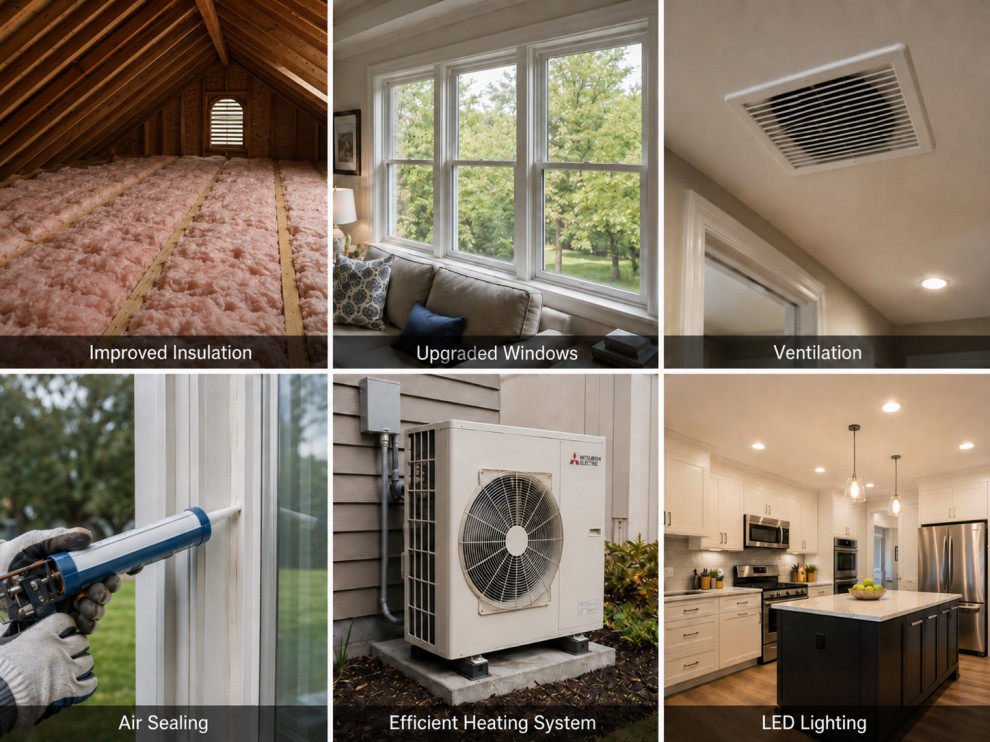
Many homeowners assume energy codes only apply to new construction.
In reality, they often affect remodeling projects such as:
- kitchen renovations
- bathroom remodels
- room additions
- basement finishing
- garage conversions
- window replacement
- exterior wall renovations
- HVAC upgrades
The larger the renovation, the more likely energy requirements become part of the permitting process.
Planning ahead can prevent costly surprises later.
Better Efficiency Can Make Your Home More Appealing to Buyers
If you're renovating because you plan to sell within the next few years, energy-efficient improvements can become an unexpected advantage.
Today's buyers pay attention to more than beautiful finishes.
They're also asking questions like:
- Will this home be comfortable year-round?
- How expensive will utility bills be?
- Are the windows energy efficient?
- Is the heating system up to date?
A home that combines attractive finishes with modern efficiency often gives buyers greater confidence and confident buyers tend to write stronger offers.
The Biggest Mistake Homeowners Make
One mistake I see fairly often is homeowners starting a renovation before fully understanding permit requirements. Sometimes they're trying to save money or sometimes they're working with contractors who don't explain the process clearly.
Either way, the result can be:
- permit delays
- failed inspections
- unexpected upgrade costs
- construction delays
- additional expenses
Good planning almost always costs less than fixing problems after construction has already started.
Renovate for Today's Market, Not Yesterday's Standards
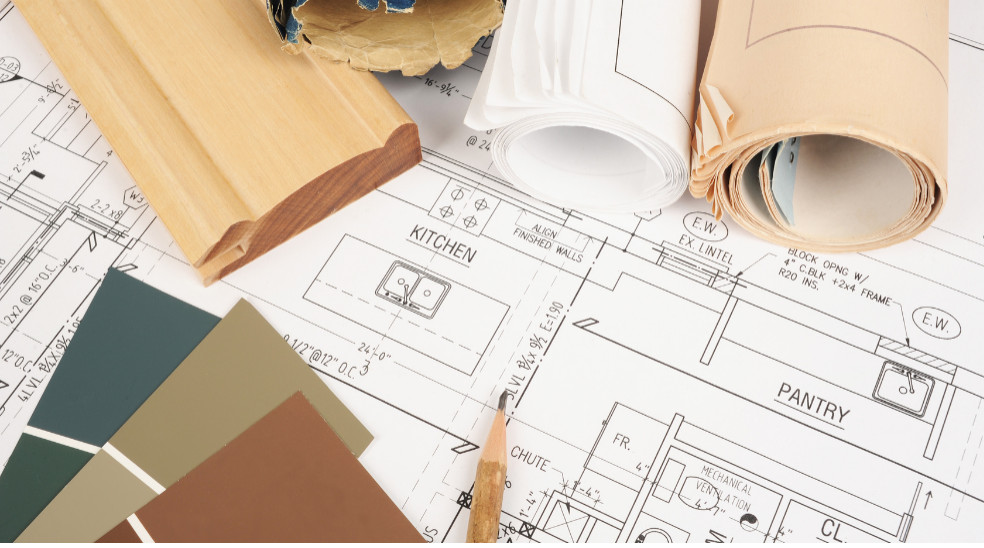
One thing I've learned after renovating homes throughout Washington for more than 15 years is this:
The best renovations aren't just beautiful.
They're built to last.
When your project meets current building and energy standards, you're not only protecting your investment today.
You're making your home more attractive for tomorrow's buyers.
That becomes especially important if you're planning to sell within the next few years.
The Refreshify Difference
At Refreshify, we believe every home deserves to shine. We help local homeowners make smart updates before selling—and you don't pay a dime until your home sells.
Our approach isn't simply about making homes look beautiful. It's about making smart improvements that add value while helping homeowners avoid unnecessary surprises during the selling process.
Whether your project involves cosmetic updates or larger renovations, we help homeowners prioritize improvements that buyers appreciate and that make financial sense.
Because successful renovations aren't measured by how much you spend. They're measured by how much value they create.
Smart Renovations Start With the Right Plan
Every home is different and every renovation has different goals.
The key is understanding which improvements will make the biggest impact for your home, your neighborhood, and your future plans.
That's why planning first is always the smartest investment.
Your Next Step
If you're considering renovating your home before selling, now is the perfect time to create a strategy.
👉 Book your free strategy call or request your Smart Seller Guide to learn which renovations make the most sense, how to maximize your home's value, and how Refreshify can help you prepare your home without paying upfront.